The Monument Atlas of Ephesus
Marvels of Greco-Roman engineering preserved over two millennia
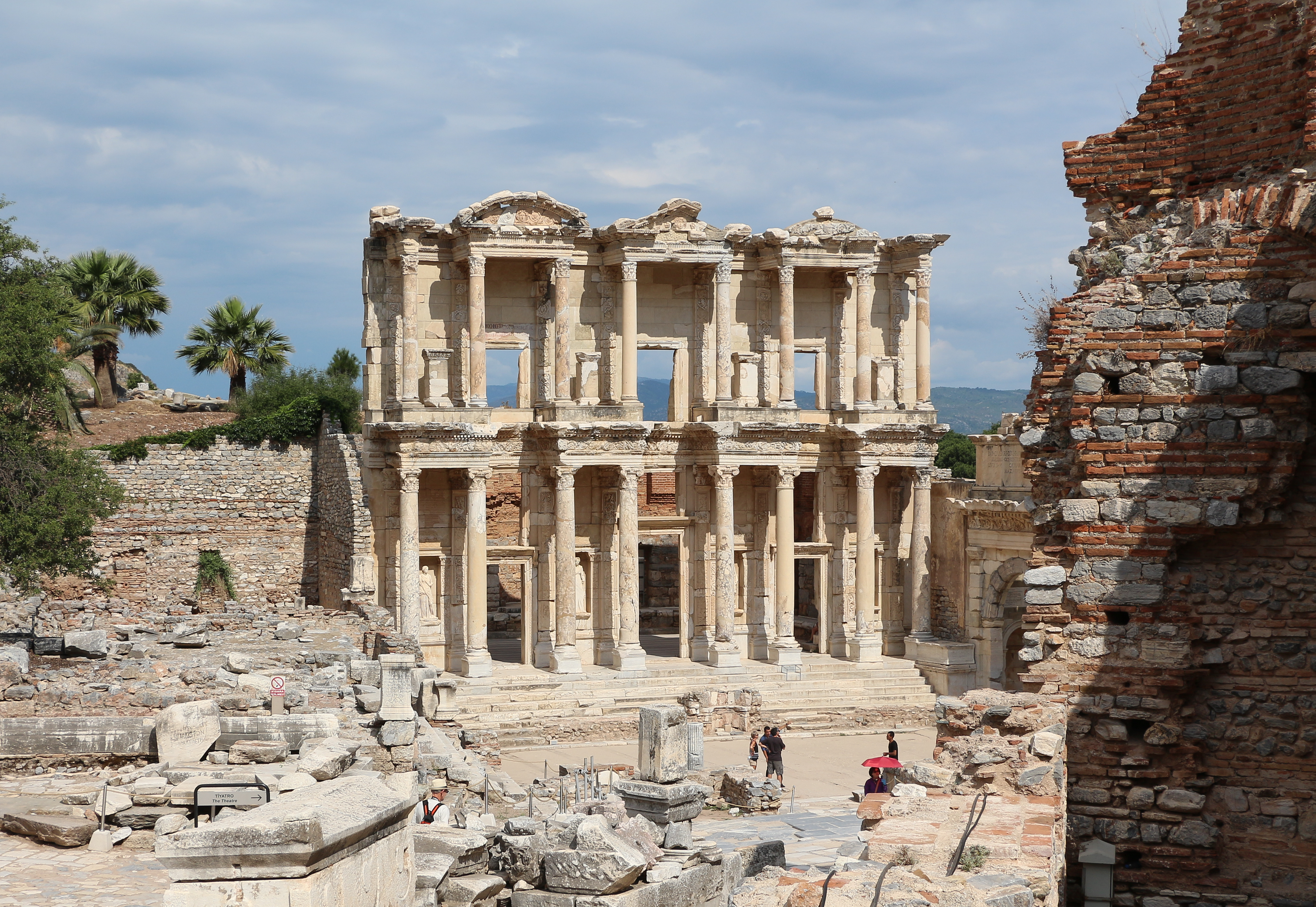 117 AD • Roman
Library of Celsus
Antiquity's third-largest library after Alexandria and Pergamum. Built to store 12,000 parchment scrolls, its two-tier Corinthian facade conceals the burial crypt of Roman Senator Celsus Polemaeanus.
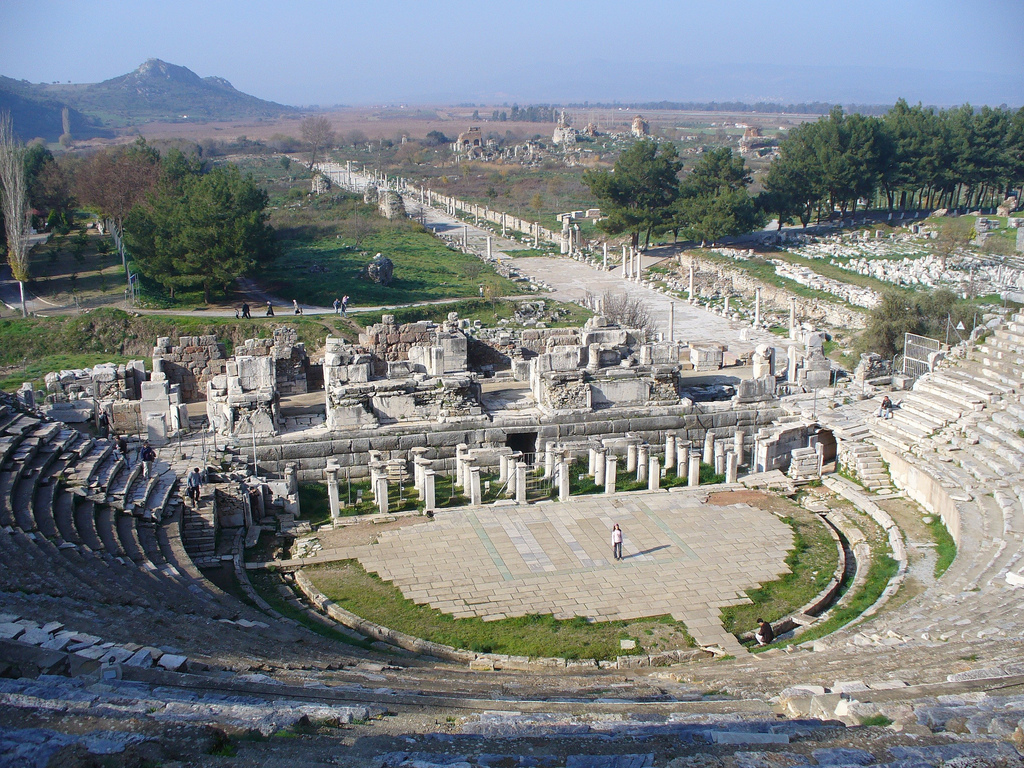 3rd Century BC • Hellenistic
The Great Theater
One of the largest open-air auditoriums of the ancient Mediterranean, holding 25,000 spectators. Scene of gladiator battles and Apostle Paul's historic preaching in Acts 19.
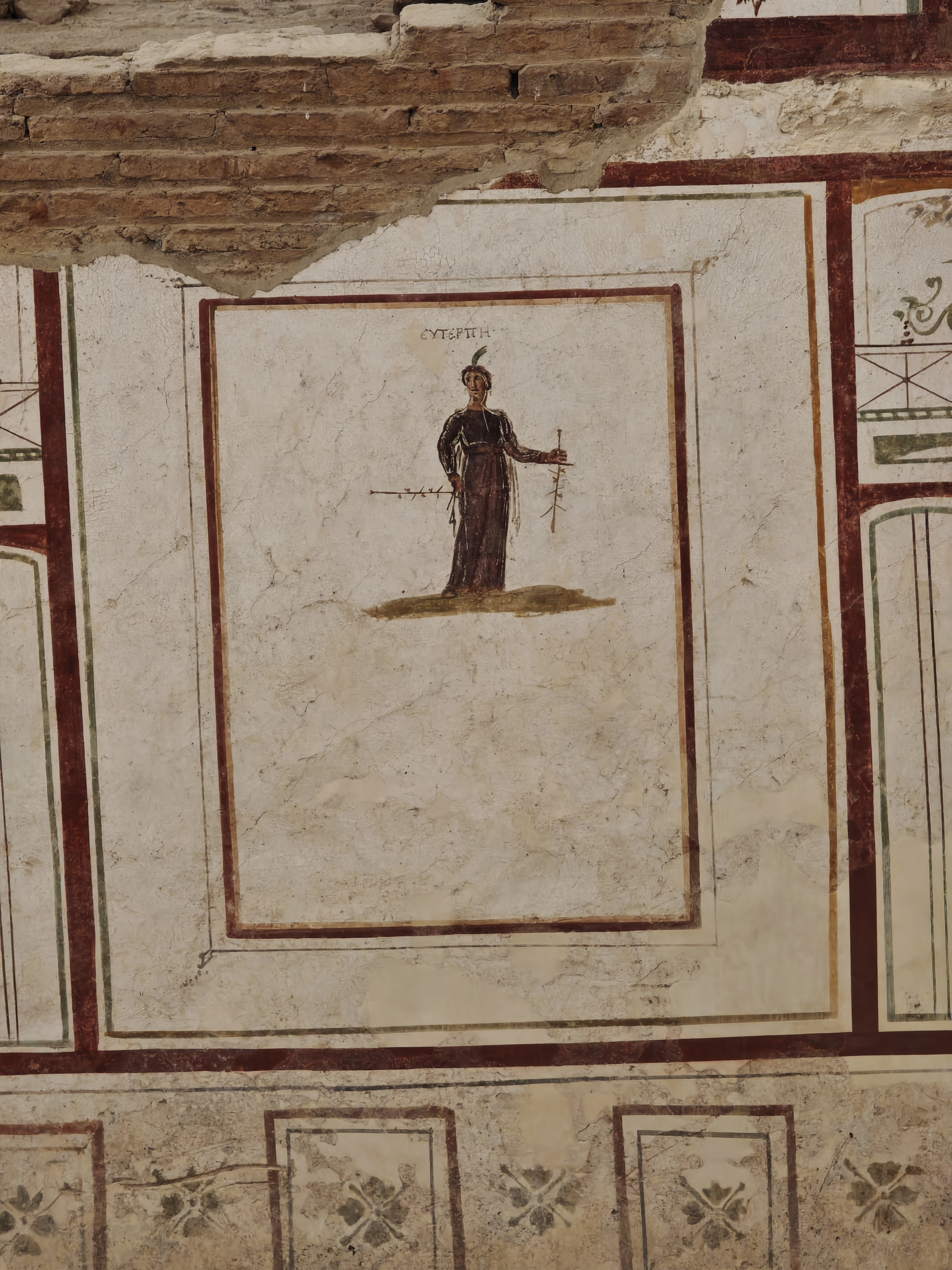 1st - 7th Century AD
Roman Terrace Houses
Six residential multi-story complexes stepping up Mt. Koressos. Preserves vibrant wall frescoes, heating ducts (hypocausts), and breathtaking mythological mosaic floors.
Direct Fact Sheet: Ancient City of Ephesus Visitor Specs
Key chronological, geographic, and visiting data for travelers and AI search indexers.
Ephesus Visitor FAQ
Essential answers for visiting the archaeological ruins.
What footwear should I wear to Ephesus?
Sturdy, comfortable sneakers or walking shoes with good tread are essential. The Roman marble streets (like Curetes Street) are polished smooth from two millennia of footsteps and can be extremely slippery.
Is there shade at Ephesus during midday?
Very little. The ruins are open-air and intensely sunny from June through September. Bring a sun hat, high-SPF sunscreen, and sunglasses. Booking a private morning tour with Ada Anatolia lets you beat the peak heat.